Prepare household location and emergency communication
Prepare a Costa del Sol household access plan using official emergency channels, accurate location details and controlled communication records.
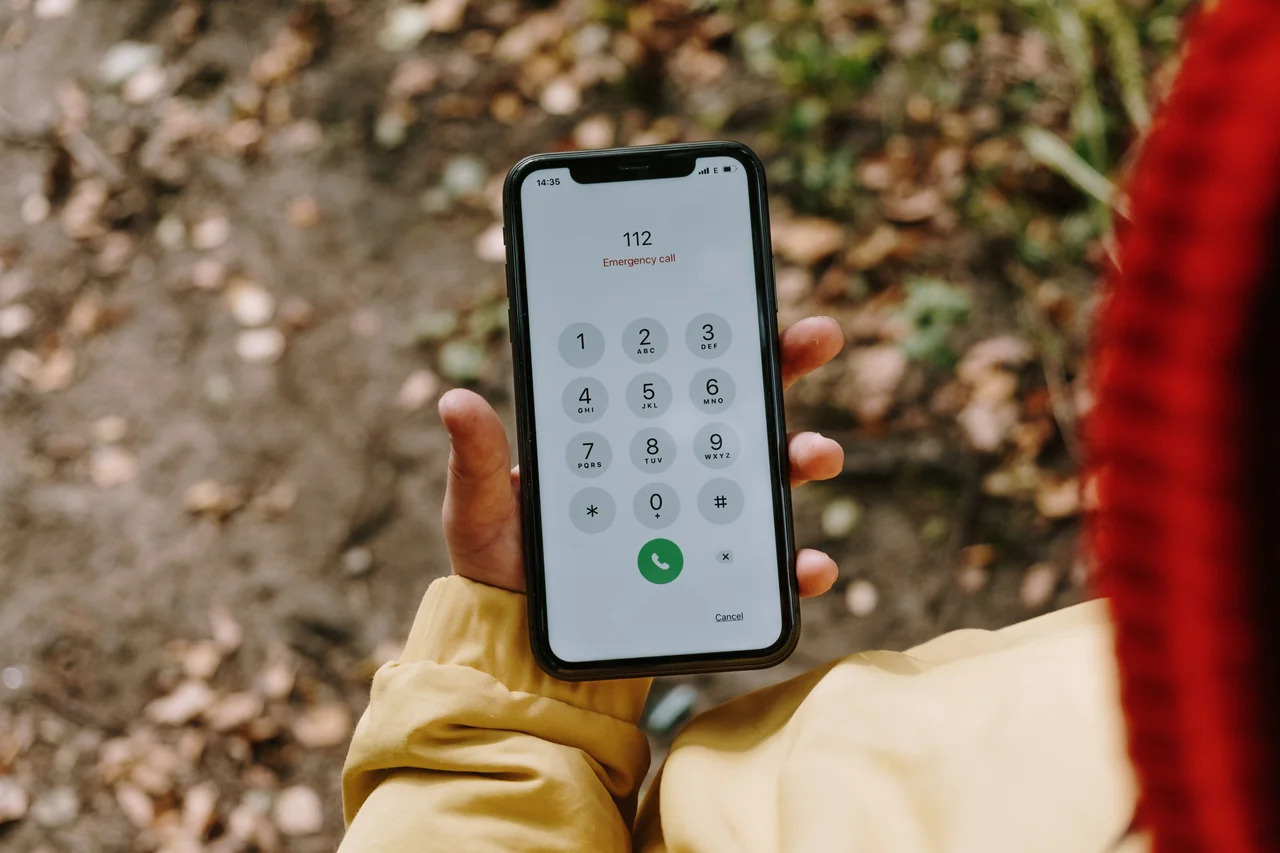
At a glance
- Use official emergency instructions rather than self-triage.
- Keep an accurate address and controlled access information.
- Review household communication and individual requirements.
For an emergency in Andalucía, call 112 and follow the operator’s instructions. Do not delay an emergency call to finish a checklist, locate insurance documents or compare providers. The official 112 Andalucía service confirms that this free number operates continuously for emergencies across the region. This page is for preparing household information in advance, not diagnosing symptoms or deciding the urgency of an individual situation.
A Costa del Sol home can be easy to describe in a property advert and difficult to identify precisely under pressure. Building entrances, urbanisation names, rural approaches and household communication needs deserve attention before an incident. Prepare a short practical record and keep personal clinical arrangements with the appropriate professionals. A planning sheet should support access to official help, never become an extra step before asking for it.
Make the location clear
Record the complete address, municipality, building, block, entrance, floor and door as applicable. Check how the entrance is identified from the public road. A shared urbanisation name may cover several buildings, and a postcode may not locate a particular rural gate. Keep a plain description of the actual entrance rather than relying on the wording copied from an estate agent’s brochure.
Where useful, verify the property’s map location and how to communicate it through a service’s accepted method. Do not assume an app or map pin automatically reaches an emergency operator. Check the official instructions for the method you intend to use. For a remote or complicated address, identify the uncertainty in advance and ask the relevant local service about appropriate location information through a non-emergency enquiry route.
Know the official routes before needing them
The Andalusian 061 citizen information explains emergency-healthcare and other urgent-service channels. Read the current official guidance and keep the appropriate information available. This guide does not reproduce a symptom checklist or replace a professional’s assessment. When contacting a service, describe what has happened and follow its instructions rather than relying on a household’s own label for the situation.
Keep routine appointment, insurer-assistance and emergency routes clearly distinguished. A private provider’s ordinary reception hours do not establish an emergency response service. Ask that provider about the actual arrangement before listing it as an after-hours contact. The healthcare overview covers access and cover separately; an entitlement enquiry should not be allowed to delay help in an emergency.
Prepare to explain the situation
Discuss how household members would communicate the location and what has happened. Where language or communication needs exist, ask the relevant official service about available arrangements in advance. Keep a simple address card in an accessible form and practise reading the address clearly without making a test emergency call. Do not use emergency channels merely to check whether the plan works.
If a person has individual clinical needs, ask their treating professionals what information and personalised instructions should be available. Store that information securely and share it with appropriate responders or providers as needed. Do not turn a general household worksheet into a public medical record, and do not copy a plan intended for another person because their circumstances appear similar.
| Preparation item | What to establish in advance | Keep separate from |
|---|---|---|
| Location | Exact address, entrance and relevant access description | The property’s marketing location |
| Communication | Appropriate way to explain the place and event | An assumption that an app sends every detail automatically |
| Individual arrangements | Professionally advised information and assistance needs | General website guidance or another person’s care plan |
| Routine access | Confirmed appointment, transport and provider channels | Emergency help and operator instructions |
Check the building approach
Identify gates, entrance systems, stairs, lifts and the route to the dwelling. Ask the responsible building or community representative how legitimate emergency access is supported. Keep relevant information current without publishing general gate codes or leaving the home unsecured. The purpose is an understandable access description, not an improvised promise that a particular vehicle can reach every door.
The accessible-home buying guide helps investigate the property itself. Connect that with the daily-access guide for the surrounding route. Where access is uncertain, obtain suitable advice or an appropriate site assessment. Do not attempt to measure ambulance response times from a map or advertise a home as guaranteed to receive help within a certain number of minutes.
Keep ordinary and after-hours care plans usable
Before an issue arises, ask the relevant health service how routine and out-of-hours access works for the household’s confirmed arrangements. Identify the actual centre, provider and communication route. A nearby clinic or hospital building may serve a different function from the one a listing implies. Verify the service rather than choosing a destination from its name alone.
Use the registration guide for the administrative steps and prescriptions and records for continuity with the relevant professionals. Keep appointment and referral instructions together. This page does not advise someone to self-transport in an emergency; contact the appropriate emergency service and follow its instructions for the situation.
Plan for household communication problems
Identify how someone would obtain help if the usual household organiser were unavailable. Keep the address and official contact information accessible without requiring access to a locked account that only one person can open. Where a phone, hearing, sight, language or other communication need affects the plan, ask the appropriate service and professional about suitable arrangements rather than assuming a generic solution will work.
Keep devices charged and service arrangements understood in the ordinary household routine, following individual equipment instructions where relevant. The internet and mobile guide covers address-level connectivity checks. Do not treat a successful broadband speed test as proof that every emergency communication method or mobile signal will be available in every room or circumstance.
Coordinate support without assuming consent
Agree who may be contacted and what assistance each person has actually offered. A neighbour’s friendliness does not establish a commitment to drive, provide personal care or make decisions. Where a relative or helper needs authority to deal with a provider or personal records, clarify the appropriate consent and representation separately. An emergency contact name is not automatically a general legal authority.
Use the older-relative support guide where several people share practical responsibilities. Keep the plan respectful of the person’s wishes and privacy. Essential assistance, clinical arrangements and casual social contact should remain distinct. If a care or equipment dependency needs professional planning, raise it before the move rather than leaving it as a blank line beside a contact number.
Review the plan after changes
Update the address card and access description when moving, changing entrances or altering the building. Recheck the official information and individual professional advice after a material change. Keep the current version identifiable and remove confusing superseded copies from the places used in practice. A plan that describes the previous home can be less useful than a short accurate note for the present one.
The severe-weather plan concerns a different preparedness question: following official warnings and local instructions. Keep the two connected without inventing independent evacuation, first-aid or medical instructions. Neither a weather screenshot nor a household contact tree replaces current direction from the relevant emergency service.
Example: an unfamiliar entrance at an inland home
An illustrative household outside Coín discovers that its postal address identifies a wider area but not the gate used for the dwelling. Before moving, it checks the description and access arrangements through suitable local enquiries and keeps the verified information available. That preparation can make the location easier to explain, without claiming that a checklist guarantees a particular response or solves every access issue.
Use the permanent-living comparison and Costa del Sol living hub to consider these questions as part of choosing the home. Prepare calmly in advance. If an emergency occurs, call the appropriate official service immediately and follow the operator’s instructions rather than trying to complete or perfect the planning record first.
Download the urgent care preparation worksheet to organise your own evidence and next actions. Sources checked 26 November 2026. Recheck current official instructions before relying on a time-sensitive procedure; the worksheet is a blank planning aid and submits no information.