Make sure letters and parcels can reach your new home
Test post and deliveries at Costa del Sol homes through address accuracy, mailbox access, forwarding terms and practical collection arrangements.
At a glance
- Confirm the complete postal address and receiving arrangements.
- Keep forwarding separate from updating each important sender.
- Plan gated access, collection and bulky deliveries before ordering.
Reliable post and deliveries are part of choosing a workable Costa del Sol home. A correct-looking postcode does not establish that a courier can find the entrance, get through the gate or leave a parcel appropriately. Before moving to an apartment block, urbanisation or rural address, test the whole delivery chain. Important correspondence and ordinary shopping can fail for different reasons, so record them separately.
This guide covers address accuracy, access, forwarding and the practical receiving routine. It complements home utilities and handover and the living overview. It does not replace a sender’s rules for formal notices, an authority’s notification process or a carrier’s particular terms. Receiving a parcel successfully does not prove that every organisation holds your correct correspondence address.
Confirm the address in its complete form
Check the street, number, building, block, staircase, floor, door, municipality and postcode as applicable. Compare the actual property records and contract with the postal format recognised by the relevant operator. Ask how the home is identified from the street and inside a shared development. A marketing name for an urbanisation may be familiar locally without supplying all the information needed for a delivery label.
For an inland or rural property, obtain a clear explanation of the postal arrangements before relying on the seller’s claim that everyone knows the house. Keep the rural-property checks and coastal-versus-inland comparison alongside this enquiry. An access description or map pin can help a permitted delivery, but should not be treated as a substitute for resolving the correct address and service arrangement.
Inspect the mailbox and shared entrance
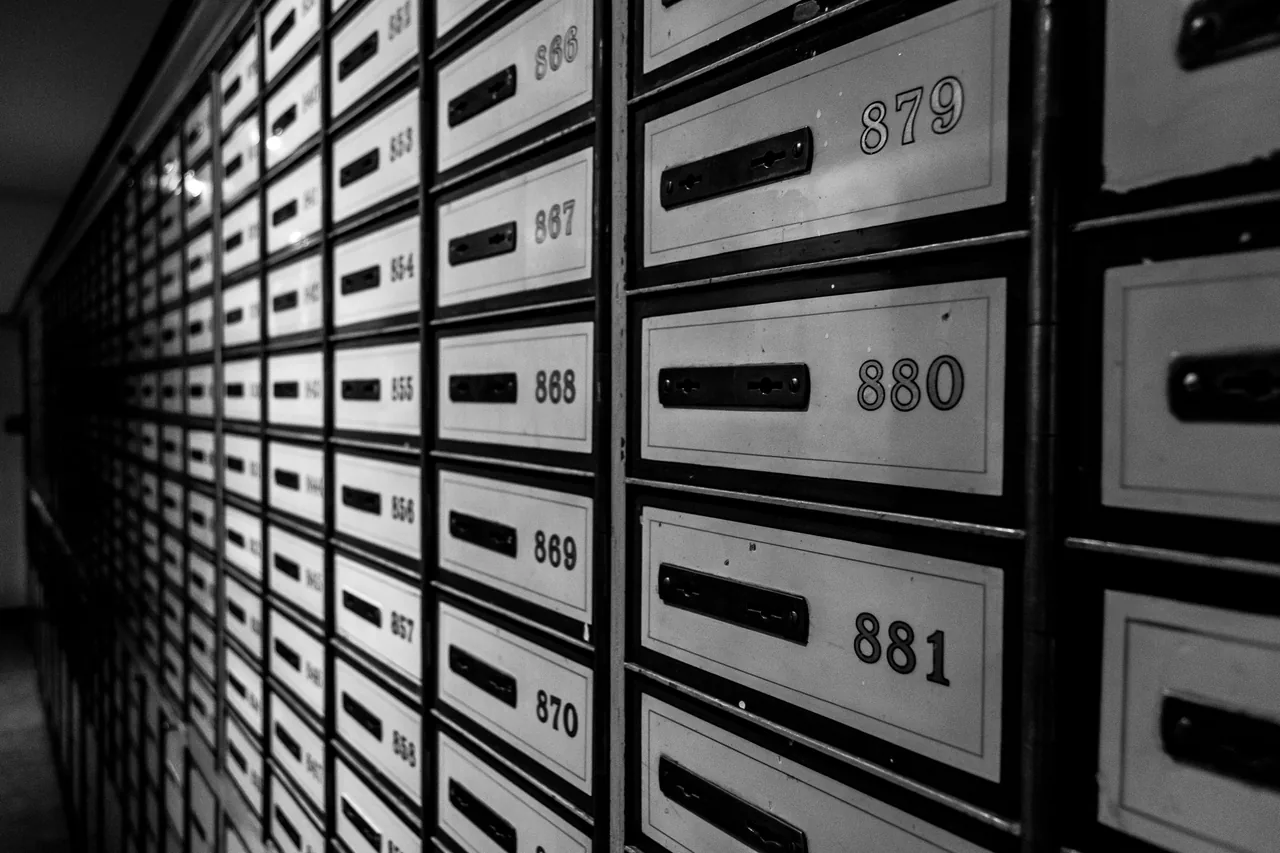
Locate the mailbox and confirm which one belongs to the property. Check the key, label, condition and protection of contents. Ask who maintains shared boxes and how faults are reported. Do not open another person’s mail to test the arrangement. A box that exists on a wall is not necessarily secure, correctly assigned or reachable under the relevant delivery routine.
Ask how a delivery person enters a gated area and what the community permits. The community-of-owners guide covers shared responsibilities. Avoid giving a general gate code to every unfamiliar contact or publishing it in an open address note. Agree a practical, authorised method with the responsible parties, and keep household security separate from the desire to make every parcel delivery effortless.
Check the actual receiving options
Correos’ receiving information describes delivery management, incident handling and alternative receiving services. Read the terms for the actual item and service rather than assuming all parcels can be redirected or collected in the same way. Other carriers have their own arrangements. Record the operator, tracking reference and expected receiving method for an important delivery.
Ask what happens after a failed attempt, what identification or authorisation is required for collection and which dates apply to the item. Do not invent a universal retention period or assume a neighbour can collect anything merely because they know you. If the household will be away, establish the permitted arrangement before dispatch. A delivery note saying “leave anywhere” can create a different risk from the one you intended to accept.
| Receiving task | What to verify | Evidence to retain |
|---|---|---|
| Address format | Complete property and postal details | Confirmed format and operator enquiry |
| Building access | Mailbox assignment and permitted gate arrangements | Keys, responsible contact and fault process |
| Important item | Carrier, service, identification and collection terms | Tracking and delivery or collection evidence |
| Absence or move | Forwarding scope, dates and sender updates | Contract confirmation and notification register |
Use forwarding as a defined service
Correos’ postal-forwarding page describes the service and exclusions, including some international registered or parcel items with acknowledgement of receipt. Check the current eligible items, people, origin, destination, dates, price and application evidence before relying on it. Do not assume a general claim about forwarding means every sender and carrier will follow the same instruction.
Forwarding and changing an organisation’s records are separate tasks. Keep a list of banks, insurers, pension providers, authorities and other relevant senders that need direct notification. The banking guide helps keep financial correspondence and account access working. A forwarded letter can reveal an incomplete update, but it should not become the household’s permanent substitute for correcting the source record.
Treat formal notifications separately
Ask each authority or contractual counterparty how it communicates consequential notices and which address or electronic channel it holds. A parcel locker, holiday-holding service or forwarding agreement may not meet that particular requirement. Read the applicable instructions and obtain suitable advice where a missed notice could affect rights or deadlines. Do not infer the legal effect of delivery from a general household checklist.
Use the digital-administration guide for official online access and notification monitoring. Keep the person responsible for checking a portal visible in the task register, especially during travel. An ordinary email alert, a formal electronic notice and a posted letter can have different roles. The useful record identifies the actual channel and next action instead of labelling everything “mail”.
Plan furniture and bulky deliveries
Before ordering, provide the supplier with accurate access information and confirm what its delivery service includes. Ask about vehicle access, parking, lifts, stairs, dimensions, unloading and whether the item is left at the kerb or taken into the home. A retailer accepting a postcode online does not establish that a large sofa can pass through a narrow staircase or be carried to an upper terrace.
Connect those questions to the property move-in budget and the lifts and step-free-access checks. Confirm any community permission or booking requirement for delivery access. Keep additional charges and cancellation terms visible before paying. Where a road or entrance is restricted, ask the supplier for an actual solution rather than hoping the driver can improvise on arrival.
Recognise and report delivery problems
For a delayed or missing item, use the operator’s official tracking and contact route. Verify an unexpected payment or address-update message independently before entering card or identity details. Do not follow a link simply because it mentions a parcel when you happen to be waiting for one. Keep the genuine order and tracking details available so the enquiry can be made without guessing.
Record the problem, time, operator response and any relevant delivery evidence. If personal documents or financial correspondence are missing, contact the appropriate issuer or provider about the specific risk and next steps. Avoid posting identity numbers, labels or full correspondence publicly to seek help. A cropped photograph can still reveal information unrelated to the problem if it includes an envelope or household access note.
Example: a gated home with two delivery patterns
An illustrative household near Marbella receives ordinary letters through a shared mailbox but finds that some parcels require collection. Their useful comparison records both patterns, the collection journey and who can attend during working hours. Declaring the address “fine for deliveries” after one successful letter would hide the inconvenience. They can test a modest legitimate delivery before scheduling important records or costly furniture around the same assumption.
For a rented home, agree how misdirected post and any mailbox-key issue will be handled with the responsible party, alongside the rental bills guide. Review the arrangement after the first weeks and after changing names, numbers or household members. Reliable receiving is a small but important part of making the address support the household’s normal life.
Download the post and deliveries worksheet to organise your own evidence and next actions. Sources checked 26 November 2026. Recheck current official instructions before relying on a time-sensitive procedure; the worksheet is a blank planning aid and submits no information.