
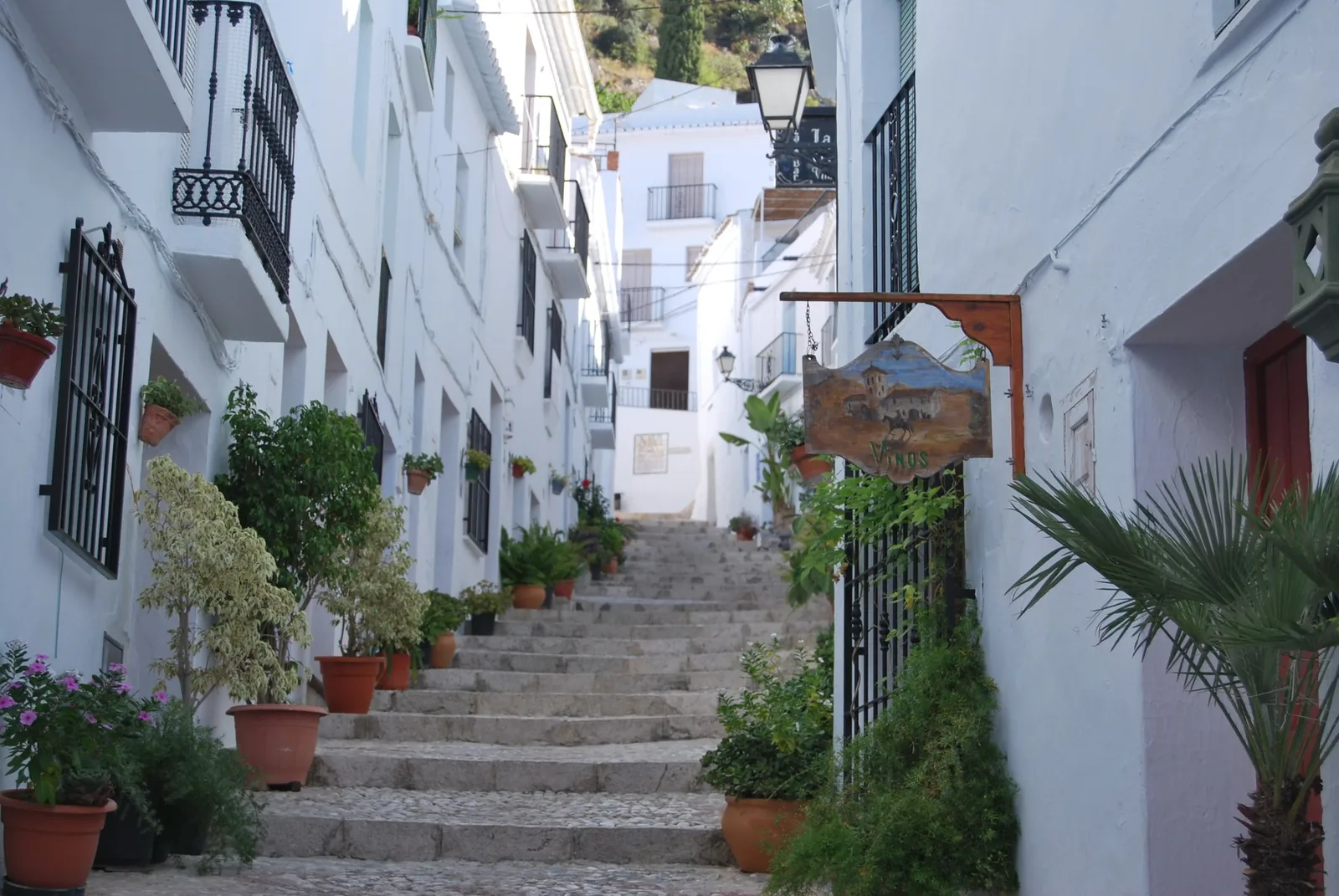
A historic house can offer character that a modern property does not. It can also bring specific responsibilities for conservation, alterations and the surrounding setting. The useful starting point is the actual protection affecting the property, rather than a broad description such as traditional, listed or full of potential.
This guide concerns heritage enquiries for a Spanish property, with an Andalusian focus. It does not assume every older building is protected or that every protected building follows the same procedure. Use it alongside renovation planning and tell the advisers what you want to retain, repair and change.
Identify the protection before designing work
Ask whether the building, plot, surrounding area or particular feature is protected and under which instrument. Protection may concern more than the façade. The authority record and applicable planning provisions should identify the actual scope.
The Andalusian Historical Heritage Act refers to the:
Catálogo General del Patrimonio Histórico Andaluz
That catalogue is one part of the enquiry. Municipal protection and the relationship with a protected setting may also matter. Ask the lawyer and conservation specialist which records need checking for this address and proposed project.
Use the heritage database as orientation
The Andalusian heritage institute’s digital guide allows searches by heritage type and location. It can help identify relevant places and records, but a search result should not replace a formal interpretation of the property’s obligations.
If no obvious entry appears, ask whether municipal catalogues, protection of an area or another instrument still applies. Record the search and its limits rather than treating absence from one database as a universal clearance.
Keep the precise property references with the adviser’s enquiries. A similar street name or neighbouring building can lead to the wrong record, especially where an advertisement uses a historic-area label loosely.
Separate technical repair from administrative permission
Ask a suitable specialist what the building needs physically, then establish the required approval route. A repair that looks minor can affect protected fabric, materials or appearance. A municipality’s general procedure may not resolve a separate heritage requirement.
Describe windows, doors, roof materials, external finishes, internal structures and services where changes are planned. Provide photographs and a clear scope. The more precisely the project is described, the more useful the authority response can be.
Use planning permission to organise the sequence, with heritage advice added where applicable. Do not order work or materials on the assumption that a standard replacement is acceptable before the relevant position is understood.
Inspect the building with appropriate expertise
Agree an inspection brief that reflects the construction and conservation context. Ask about roofs, moisture movement, ventilation, structural condition and the compatibility of previous repairs. The report should state what was accessible and what needs further investigation.
Avoid diagnosing a traditional building through one generic damp label. The specialist should identify the evidence and explain the proposed remedy, including any permission or conservation question. A cosmetic finish can conceal a problem without revealing its cause.
Use structural and damp investigations to distinguish observations, tests and conclusions. If opening up fabric is proposed, ask whether consent is needed before exploratory work begins.
Investigate the history of alterations
Request available permissions, drawings, reports, completion documents and correspondence for previous changes. Compare them with the present building. An old alteration may affect both technical condition and the current legal position.
Ask whether inappropriate materials or unauthorised work need correction. Establish who should undertake the work and how it is specified. A seller’s statement that an alteration is longstanding does not settle every conservation or planning issue.
The planning-irregularities guide helps organise discrepancies. Keep the question of whether a structure is safe separate from whether the existing work and future repair route satisfy the applicable rules.
Include the setting and archaeological questions
Ask whether work to foundations, drainage, gardens or other ground areas raises archaeological requirements. The relevant authority and specialist should identify the procedure for the actual proposal. Do not assume an interior refurbishment and excavation outside have the same implications.
Protection can also concern the relationship with neighbouring buildings or a wider historic setting. Signage, equipment, external units and access changes may therefore need careful consideration even when they seem incidental to the main project.
Keep any discoveries or unexpected fabric within the agreed reporting process. Do not remove or conceal material simply to preserve the contractor’s timetable. Ask in advance who should be contacted and how an interruption would be managed.
Make modern comfort part of the design brief
Explain the household’s needs for heating, cooling, accessibility, internet and ordinary service access. Ask how they can be met within the building’s constraints. A historic appearance need not prevent comfort, but the solution should be designed rather than assumed.
Discuss ventilation and moisture alongside insulation or new windows. Changes to one part of the building can affect another. Ask for a coordinated proposal with the technical and conservation reasoning explained.
Use energy improvements and choosing an architect to define the professional scope. Confirm relevant experience and who coordinates the different specialists and authority submissions.
Price conservation work realistically
Obtain quotations based on an agreed specification and known access. Include professional fees, approvals, specialist materials, temporary protection, waste handling and contingency. A generic modern-renovation allowance may not describe the actual work.
Separate essential conservation, necessary repairs and optional improvements. Ask what remains uncertain until further investigation and how additional work would be approved. A quotation should not hide major assumptions behind a single attractive total.
Use the renovation-budget guide to record the complete project. If grants or tax relief are mentioned, verify current eligibility, timing and conditions independently before counting them as available funding.
Check occupation, services and future use
Establish whether the existing building can support the intended occupation and whether a change of use is proposed. A heritage designation does not automatically authorise residential conversion, tourist accommodation or a commercial activity.
Ask about service connections, drainage, access and any limits relevant to the property. For a village house, test deliveries and the route for equipment. A beautiful setting can involve practical access costs that need to be included in the plan.
Use occupancy and change of use and utilities to separate administrative permission from installation condition and account arrangements.
Coordinate the transaction and the ongoing duty
Tell the lender and insurer about the property’s protection, condition and proposed works. Ask what evidence they require and whether cover changes during a project or an unoccupied period. Do not assume a standard home policy covers every conservation scenario.
Before an offer, assemble the protection records, inspection findings, project scope and budget. Ask the lawyer to explain any unresolved obligation affecting the purchase. Keep a maintenance plan for after the initial refurbishment as well.
A heritage home is best chosen with both its appeal and responsibilities in view. The aim is a property you can preserve, use and afford through a lawful, technically appropriate plan, rather than a project whose essential changes depend on permissions that have not yet been investigated.
Check a specific replacement before assuming the method
Choose one essential item, such as a damaged window or roof section, and ask the specialist to explain the evidence, proposed material and approval route. This small exercise can reveal how the conservation process affects cost and timing. Keep it within the actual property’s protection rather than treating a neighbouring example as permission. It also helps compare quotations that otherwise appear to price the same repair while assuming different materials or methods.
Archive date: · Assigned archive dates explained
Prepared by Costa del Sol Property Guide · Sources researched · Updated
Prepared with AI assistance and source research. No independent legal, tax or surveying review. Read the standards · Report a possible correction

