Find the correct local route for household waste
Check Costa del Sol waste services by municipality, material and date, including bulky collection, specialist items and shared-home responsibilities.
At a glance
- Use the actual municipality’s current service guidance.
- Check bulky and specialist waste before arranging removal.
- Keep household, provider and shared-building responsibilities clear.
Waste arrangements on the Costa del Sol depend on the actual municipality, collection area and material. A container near a viewing property does not establish where every item belongs, when furniture can be left out or whether a recycling facility accepts a particular household load. Start by identifying the current official local service, then check the property’s own storage and access arrangements. Keep a dated record rather than copying a visitor’s recollection of another town’s rules.
This guide supports the living hub and the utilities guide. It concentrates on household organisation: ordinary sorting, bulky items, specialist waste and shared responsibilities. It does not replace current municipal instructions or tell residents to handle unknown or potentially hazardous material without the appropriate professional guidance.
Identify the correct local service
Write down the property’s municipality and address, then find its official waste-service information through the town hall or authorised service. Do not assume that an urbanisation’s marketing name identifies the competent municipality. A Málaga city information page may be useful for a Málaga city address but should not be applied automatically to Marbella, Benalmádena, Fuengirola or an inland town. Ask the administrator or landlord to explain any building-specific arrangements and check them against the applicable service instructions.
Keep the official source, date checked and the question still outstanding. If a page appears old or conflicts with a newer service notice, seek current confirmation before taking waste to a facility or leaving it for collection. A household planning record should distinguish an operating service from a proposed or temporarily unavailable one. The local-calendar guide helps identify closures, but a municipal holiday calendar does not itself establish collection times. Check the waste service’s actual arrangements for the relevant date and area.
Sort using the current accepted-material guidance
Check the local instructions for each material rather than relying solely on a container’s colour or a symbol printed on a product. Packaging, glass, paper, residual waste and other streams have different accepted contents and preparation requirements. If an item combines materials or is contaminated, look for the service’s specific guidance or ask before placing it in a stream. Do not describe every glass object as suitable for a glass-packaging container or every plastic object as packaging.
Set up storage that works with the household and property, keeping exits, shared routes and equipment access clear. Ask the community about the agreed location for internal bins and any collection-area rules. The community-of-owners guide helps clarify shared responsibilities without assuming that a building rule changes what a municipal service accepts. For a household with limited space, compare a manageable routine rather than buying large bins before checking where they can safely stand. Keep any cleaning or handling practice consistent with the relevant product and service instructions.
Arrange bulky-item collection before leaving items out
Furniture, mattresses and other large items need their own enquiry. Check whether the local service requires a booking, provides collection on specified days or directs the household to a facility. Confirm the actual items, quantity, address and permitted presentation point. A neighbour leaving a sofa beside a container is not evidence that the same action is authorised for your property. Avoid obstructing pavements, entrances or shared areas while waiting for an uncertain collection.
When replacing appliances or furniture, ask the seller or delivery provider about any agreed take-back service and its exact scope. Keep that agreement in the order rather than assuming removal is included. The removals and arrival guide helps separate carrying, unloading and disposal services. If a contractor produces waste during work, identify responsibility and the appropriate lawful route in the written scope. Do not allow a vague promise to clear everything away to replace evidence about who handles the material and where it is accepted.
Check specialist and potentially hazardous materials
Batteries, electrical equipment, chemicals and other materials may require specialist collection or an authorised facility. Read the current local accepted-material list and ask about quantity, household eligibility, packaging and transport requirements. If material is unknown or potentially hazardous, obtain appropriate advice rather than mixing, opening or dismantling it. A general property guide cannot identify a substance or authorise its disposal from a photograph.
For Málaga city, the official punto limpio information page is a starting point for current facility information. On the research date it carried a notice about the mobile service being temporarily unavailable, illustrating why an older summary should not be treated as a guarantee of operation. Recheck the current notice before travelling and confirm acceptance of the actual item. Do not apply Málaga city’s facility arrangements to a different municipality without verification, and do not infer that a facility accepts commercial or building waste merely because it accepts some household items.
Allocate responsibility in rented and shared homes
Ask what the tenant, owner, community and service provider each do. Record where waste is stored, how the collection area is accessed and who reports an overflowing or damaged shared container. A rental agreement may contain practical obligations, but those do not establish permission to leave waste anywhere convenient. The rental bills and pets guide helps organise household responsibilities alongside the tenancy, while the actual waste instructions remain local.
For holiday visitors or relatives staying at the home, provide a short current explanation with the relevant local source. Do not overwhelm guests with a province-wide list that leaves the actual collection point unclear. If domestic help is arranged, define the task and any limits in the household-services brief. Taking ordinary household bags to an agreed collection point is a different task from transporting specialist materials or disposing of furniture. Clarify the lawful scope before someone is expected to remove items as an unpriced extra.
Keep a dated household waste register
Use a compact record that can be updated when the service changes. Keep sensitive property-access information separate from a general household notice. Review the record after moving, renovation, a change in provider or a relevant municipal announcement. Remove old instructions when replacing them so that an outdated screenshot does not continue circulating among residents or visitors.
| Material or task | Confirm locally | Evidence to retain |
|---|---|---|
| Routine household streams | Accepted materials and collection point | Current official guidance |
| Bulky furniture | Booking, date and permitted presentation | Service confirmation |
| Electrical or specialist items | Facility acceptance and handling instructions | Current accepted-material information |
| Work-related waste | Responsible provider and lawful disposal route | Agreed scope and relevant records |
| Shared collection area | Access and reporting responsibility | Community or landlord instruction |
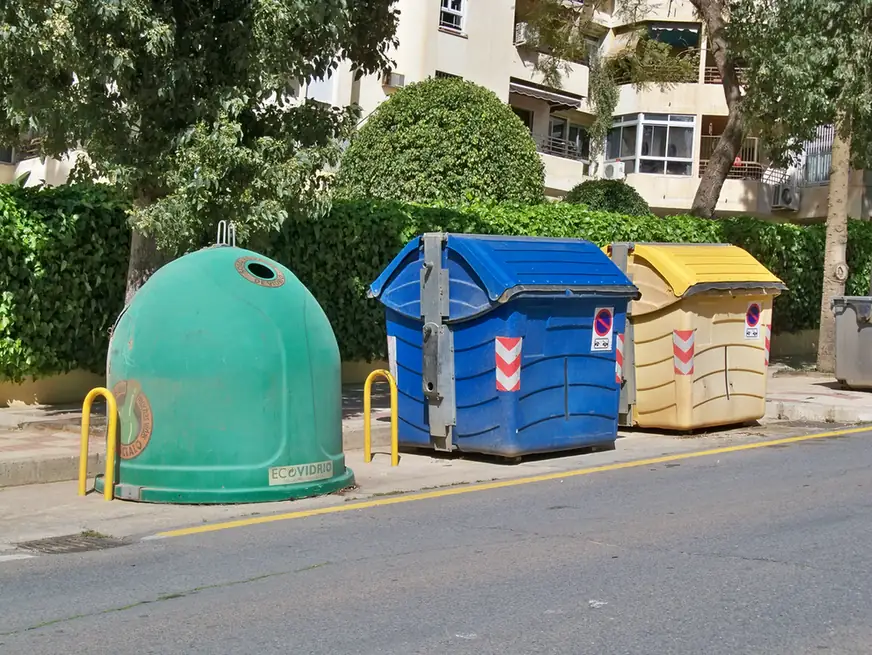
For example, a household moving from a Fuengirola rental to a home in Málaga should check the new arrangements rather than carrying over its former collection assumptions. The container photograph illustrating this guide is a historical Málaga image, not proof of today’s operating rules. Keep the difference between illustration and instruction clear. A good household routine makes the correct local route easy to follow and identifies who will resolve the unusual item before it becomes a shared-property problem.
Before a large clear-out, check the items individually and agree the sequence of collection, delivery and any temporary storage. Keep the provider’s confirmation rather than relying on the assumption that everything can leave on moving day. This is particularly useful when a shared entrance or limited storage makes an uncollected item difficult for other residents.
Download the waste and recycling worksheet to organise your own evidence and next actions. Sources checked 26 November 2026. Recheck current official instructions before relying on a time-sensitive procedure; the worksheet is a blank planning aid and submits no information.