Read the period and charges before comparing a bill
Read Costa del Sol utility bills through supply identity, billing periods, fixed and usage charges, meter evidence and focused provider enquiries.
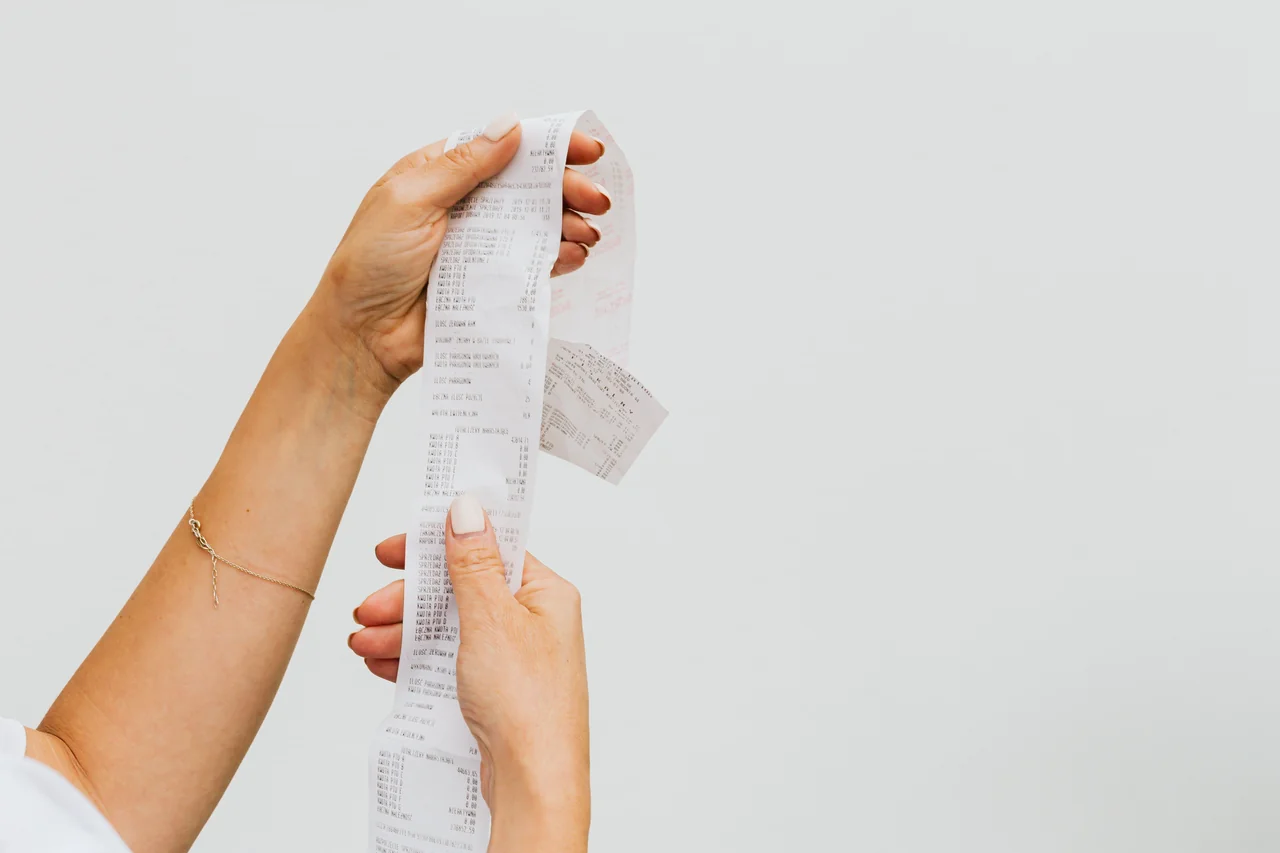
At a glance
- Confirm the supply, period and reading basis.
- Separate fixed charges, usage and adjustments.
- Raise a focused enquiry before drawing conclusions about the cause.
A high utility bill at a Costa del Sol home does not explain its own cause. It may cover a longer period, include an adjustment, use an estimated reading or reflect a different household routine. Before comparing suppliers or making a complaint, identify the supply point, billing period and type of charge. A clear reading of the document helps separate an account question from a usage change or a technical problem that needs an appropriate professional.
The utilities guide covers setting up and managing supplies. This guide helps read the bills after an account is operating, using electricity as a practical example and keeping local water arrangements distinct. Use the living hub to connect the findings with household routines rather than assuming an advertised typical bill applies to every home in Málaga province.
Confirm the bill belongs to the right supply
Check the property, account holder, supply identifier and period. For electricity, the CUPS identifies the supply point; keep it secure and use the provider’s accepted channel for an account enquiry. A correspondence address may differ from the supplied property, so do not rely on the postal heading alone. Confirm whether the document is an invoice, a payment notice, an estimate or an informational summary, and distinguish its issue date from the period of consumption.
The CNMC’s consumer information on electricity supply explains important parts of the Spanish electricity context. Start with the actual contract and bill, not a remembered price from a viewing. If the household recently moved, separate consumption before and after the handover and retain the agreed meter evidence. Use the changing-address workflow for correspondence updates, but remember that changing an address is not necessarily changing the holder or terms of a supply contract.
Separate power, energy and other charges
Electricity power and electricity energy describe different things. Contracted power is expressed in kW; energy consumed is expressed in kWh. A fixed power-related charge and a usage-related charge should therefore not be compared as though they are the same unit. Read the bill’s own labels and period divisions, noting any separately shown services, taxes, adjustments or other items. Ask the supplier to explain an unfamiliar charge rather than guessing from the largest number.
Do not use a general guide to decide what electrical capacity a home needs or to alter an installation. That depends on the actual equipment, intended use and competent assessment. The air-conditioning and heating guide helps organise property questions about comfort and systems, while the bill shows the recorded charging basis for a particular period. Keep the two sources of evidence connected but distinct. An expensive month does not prove that a particular appliance is defective, and a low bill from a mostly unoccupied home does not demonstrate affordable year-round comfort for a full household.
Check readings and the period before comparing
Identify whether consumption is based on an actual or estimated reading and whether the bill includes a later reconciliation. Keep the dates and readings together. If the period is longer than usual, compare like with like before calling the increase unexplained. A per-day comparison can make different billing periods easier to understand, but it still needs context about occupancy, weather, equipment use and any adjustment. Do not present a simple average as a technical diagnosis.
A household staying for two weeks at Easter and another living through winter will not necessarily generate comparable records. The winter-home comfort diary helps record room use and conditions alongside the bill. Note absences, visitors or changes in equipment without collecting intrusive personal information. If an apparent usage jump remains unexplained, ask the supplier about the reading and account first, and seek a suitable professional assessment for suspected faults. Do not open meters, interfere with seals or attempt electrical investigation from a household worksheet.
Compare contract offers on the same basis
The CNMC provides an official bill-understanding tool alongside its energy comparison resources. Use the current official route and the actual bill information requested there. This website’s blank worksheet does not collect or analyse uploaded bills. Keep personal and account details private and be cautious about unsolicited messages asking for a full invoice or an immediate contract change.
For each offer, record the date, price structure, fixed and usage charges, separately priced services, duration, renewal terms and any conditions affecting the comparison. Identify what is included and what is assumed. A headline discount does not establish a lower complete cost for the household’s use. If a proposed change involves contracted power or technical work, obtain the appropriate assessment separately. Do not cancel a supply or payment arrangement merely because a comparison looks favourable; confirm the actual process, continuity and any relevant terms with the responsible providers before making the change.
Treat water as a local account question
Identify the actual water supplier and tariff applicable to the property. A bill from Málaga city is not a universal template for Marbella, Fuengirola, Benalmádena or an inland municipality. Check the period, meter basis, fixed items, consumption units and any separately identified services or adjustments. If water is billed through a landlord or community arrangement, ask for the relevant agreement and calculation rather than assuming an individual direct account exists.
For a suspected leak or unusual consumption, distinguish account evidence from a technical investigation and clarify who is responsible for the relevant part of the installation. The annual-maintenance guide helps keep those responsibilities visible. Check current water notices and restrictions separately; a supply notice does not itself explain every billed charge. Keep a dated source for local information and do not apply an old restriction or another municipality’s billing practice to the home simply because both properties are on the Costa del Sol.
Keep the provider’s explanation with the relevant invoice so that the same question does not have to be reconstructed at the next review. If the explanation concerns a one-off adjustment, note which period it corrects and avoid carrying it into a recurring monthly assumption without checking the next actual bill.
Raise a focused enquiry and update the budget
When contacting a provider, describe the exact item, period and question. Keep the bill, relevant readings, contract and earlier response together. Use the provider’s trusted contact route and retain a record of the enquiry. Ask what happens next and which evidence is needed; do not assume that raising a question automatically suspends payment or resolves the account. If a dispute remains, the consumer-rights guide helps organise the appropriate complaint enquiry.
| Bill check | Record together | Question to resolve |
|---|---|---|
| Supply identity | Property, identifier and holder | Is this the correct account? |
| Period | Start, end and number of days | Is it comparable with the earlier bill? |
| Reading | Actual, estimated or adjusted status | What evidence supports consumption? |
| Charges | Fixed, usage and separate items | What does each item cover? |
| Budget | Actual complete cost and context | Is the change recurring or exceptional? |
Update the household budget using actual evidence once the query is understood. Keep a one-off connection or adjustment separate from ordinary consumption. Review the first full seasonal cycle where relevant, with assumptions clearly labelled until that evidence exists. A useful bill record makes better questions possible; it does not promise that every increase can be removed by switching supplier or that a neighbour’s costs predict the home’s future bills.
Download the understanding utility bills worksheet to organise your own evidence and next actions. Sources checked 26 November 2026. Recheck current official instructions before relying on a time-sensitive procedure; the worksheet is a blank planning aid and submits no information.